Summary
Pedestrian accident injuries can affect the head, neck, spine, shoulders, bones, soft tissues, hips, and legs. Some symptoms appear immediately, while others develop later. Early evaluation, symptom tracking, and rehabilitation may help identify hidden issues, support recovery, and guide injured pedestrians toward safe, drug-free chiropractic care.
Table of Contents

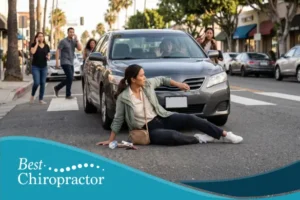
A single step into a crosswalk can change someone’s health in seconds. When a vehicle hits a person on foot, the body absorbs force with little protection, which can lead to pain, limited movement, and delayed symptoms.
Many pedestrian accident injuries are not obvious right away, especially when adrenaline masks discomfort after the crash. Some people walk away thinking they are fine, only to feel worse hours or days later. That is why early evaluation, careful symptom tracking, and the right rehabilitation plan can make a major difference in recovery.
Below are seven common injuries pedestrians may face after a collision.
1. Head and Traumatic Brain Injuries
Head injuries can occur when a pedestrian hits a vehicle, pavement, curb, or another hard surface. Even a low-speed impact may cause the brain to move inside the skull.
Common signs may include:
- Headaches
- Dizziness
- Nausea
- Confusion
- Light sensitivity
- Memory problems
- Trouble sleeping
A traumatic brain injury can range from mild to severe. Some symptoms may appear gradually, so it is important not to dismiss headaches or mental fog after a crash.
2. Neck and Whiplash Injuries
Whiplash happens when the neck moves suddenly forward and backward. While many people associate whiplash with rear-end car crashes, pedestrians can also suffer this injury when the body is thrown or twisted by impact.
Symptoms may include neck stiffness, reduced range of motion, headaches, shoulder tension, or pain that spreads into the upper back. Chiropractic care may help assess joint movement, muscle tension, and postural changes that can follow this type of trauma.
3. Spine and Back Injuries
The spine is vulnerable during a pedestrian collision because the force can compress, twist, or strain the back. Some people feel immediate pain, while others notice discomfort after swelling or muscle guarding develops.
Possible back-related injuries include:
Injury Type | Possible Symptoms |
Lumbar strain | Lower back pain, stiffness, spasms |
Disc irritation | Pain, tingling, numbness, weakness |
Spinal misalignment | Limited movement, uneven posture |
Nerve compression | Radiating pain into the arms or legs |
Back pain should be evaluated early, especially when pain travels into the legs or affects walking, sitting, or sleeping.
4. Shoulder and Upper Extremity Injuries
Pedestrians often use their arms to brace during a fall. This can place heavy stress on the shoulders, elbows, wrists, and hands.
Common injuries include sprains, dislocations, tendon irritation, nerve compression, and impact-related bruising. A shoulder injury may also affect daily tasks such as driving, lifting, dressing, or working at a desk.
Pain in the shoulder may sometimes originate in the neck or upper back, which is why a full musculoskeletal evaluation can be helpful after pedestrian-accident injuries.
5. Fractures and Broken Bones
Broken bones are among the most serious injuries pedestrians can suffer. The legs, arms, ribs, wrists, ankles, and collarbone are common sites of fractures.
Signs of a possible fracture include:
- Sharp pain
- Swelling
- Bruising
- Visible deformity
- Inability to bear weight
- Pain that worsens with movement
A suspected fracture requires prompt medical care. After the bone begins healing, rehabilitation may help restore strength, balance, flexibility, and safe movement.
6. Soft Tissue Injuries and Internal Bruising
Soft tissue injuries affect muscles, ligaments, and tendons. These injuries can cause pain even when X-rays do not show broken bones.
Examples include:
- Sprains
- Strains
- Deep bruising
- Muscle spasms
- Tendon irritation
- Ligament overstretching
Internal bruising can also develop after direct impact. If pain becomes severe, swelling increases, or dizziness occurs, a medical evaluation should not be delayed.
Soft tissue trauma may take time to heal. Chiropractic care, stretching plans, mobility work, and guided rehabilitation may support recovery when appropriate.
7. Hip, Pelvic, and Leg Injuries
The hips, pelvis, knees, ankles, and feet often absorb direct impact in pedestrian crashes. These injuries can interfere with walking, standing, climbing stairs, or returning to work.
Hip and leg injuries may involve joint trauma, muscle strain, ligament damage, or fractures. Pelvic injuries can be especially serious because they may affect balance and core stability.
Even mild limping can create compensation patterns. Over time, this may lead to secondary pain in the lower back, opposite hip, or knees. Early care can help reduce that risk.
Why Early Medical Evaluation and Rehabilitation Matter
After a pedestrian crash, getting checked quickly can protect both your health and your records. Pain may change over time, and delayed symptoms are common.
Early evaluation may help:
- Identify injuries before they worsen
- Document symptoms after the crash
- Create a treatment plan based on your condition
- Track progress during recovery
- Reduce the chance of long-term mobility issues
Pedestrian crashes remain a serious safety concern. In 2022, the CDC reported over 8,000 pedestrian deaths and about 140,000 emergency department visits for nonfatal crash-related injuries.
These numbers show why early care matters. Even minor injuries can later affect walking, posture, sleep, work, and daily movement. Keep incident details, photos, witness information, insurance records, and treatment documents.
When to Consider Chiropractic Care After a Pedestrian Crash
Chiropractic care may be useful when pain involves the neck, back, shoulders, hips, or joints. A chiropractor can evaluate movement, posture, muscle tension, and areas of restricted mobility.
People often search for the best chiropractor in Los Angeles when they need non-invasive care after an accident. The right provider can help create a recovery plan that may include spinal adjustments, soft tissue therapy, mobility exercises, posture support, and rehabilitation guidance.
You should seek urgent medical care first if you have severe pain, head trauma, weakness, numbness, chest pain, confusion, difficulty walking, or signs of a fracture.
FAQs
What are the most common pedestrian accident injuries?
Common pedestrian accident injuries include head injuries, whiplash, back pain, fractures, soft tissue injuries, shoulder injuries, and hip or leg trauma. Symptoms may appear immediately or develop hours or days after the crash.
Should I see a chiropractor after being hit by a car?
Consider chiropractic care for neck, back, shoulder, hip, or joint pain after a car accident. A chiropractor assesses movement, posture, and pain to design a non-invasive rehab plan. Seek urgent care for severe pain, head trauma, numbness, weakness, or suspected fractures.
How soon should I get evaluated after a pedestrian accident?
It is best to get evaluated as soon as possible after a pedestrian accident, even if your symptoms seem mild. Early evaluation can identify hidden injuries, document your condition, and guide the right recovery plan before issues worsen.
Get Checked Before Pain Gets Worse
Pedestrian accident injuries can affect the head, neck, spine, shoulders, bones, soft tissues, hips, and legs. Some symptoms appear right away, while others develop as the body begins to react to the trauma.
After a pedestrian collision, Best Chiropractic can help you find trusted, drug-free care through a free, no-obligation consultation. Book an appointment with the best chiropractor in Los Angeles today.