An accident can leave you feeling sore, stiff, and unsure about what comes next, even when the collision seemed minor at first. For people researching accident injury recovery California options, the key is to identify symptoms early, rule out serious injuries, and follow a care plan matched to the type of trauma involved.
Chiropractic care may support recovery for certain musculoskeletal injuries, but it is not a substitute for emergency or specialty care when red-flag symptoms are present. Understanding where chiropractic treatment, rehabilitation, massage, and medical evaluation fit can help you make safer decisions throughout recovery.
What Is Accident Injury Recovery and Why Does It Matter?
Accident injury recovery is the process of restoring comfort, movement, strength, and daily function after trauma such as a car crash or fall.
Symptoms are not always immediate. Neck stiffness, headaches, back pain, reduced motion, and muscle soreness can appear later. Concussion symptoms may not appear immediately and can develop hours or even days after an accident.
California recorded 4,061 traffic deaths in 2023, according to the California Office of Traffic Safety.
For accident injury recovery in California, timely evaluation can help patients distinguish musculoskeletal problems from symptoms requiring urgent care.
Which Accident Injuries Commonly Need Ongoing Care?
Some injuries improve within days. Others need follow-up care for weeks or longer.
Common accident-related concerns include:
- Whiplash and neck strains
- Lower- or mid-back pain
- Muscle strains and soreness
- Joint stiffness or reduced mobility
- Shoulder discomfort
- Headaches linked to neck tension
- Arm or leg sprains
Mild whiplash often improves within days or weeks, while more severe cases can take longer. Persistent numbness, weakness, balance problems, or worsening pain may require medical evaluation or imaging.
What Happens During a Chiropractic Evaluation After an Accident?
A post-accident chiropractic visit should begin with an assessment of whether the injury resulted from a car crash, motorcycle or pedestrian accident, or another type of collision.
The chiropractor may ask how the accident happened, where symptoms occur, when they began, whether they are changing, and which activities affect them.
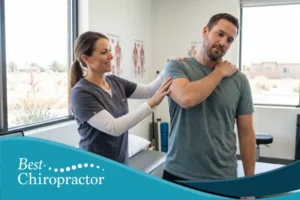
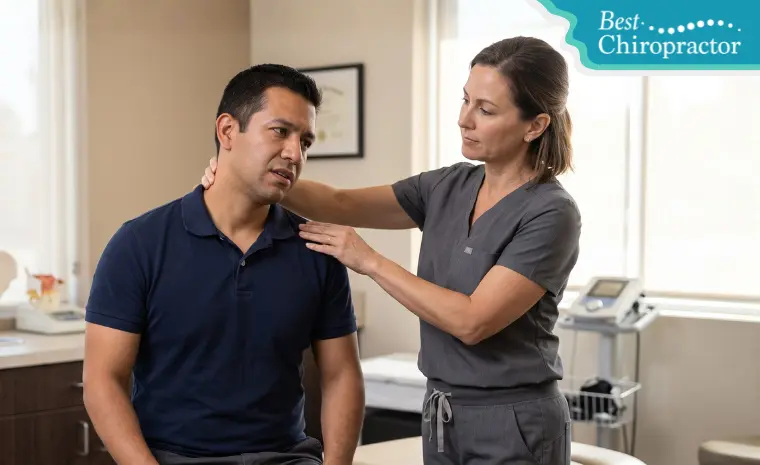
The evaluation may include posture, range of motion, muscle tenderness, joint movement, strength, and basic neurological screening.
If findings suggest a fracture, significant head injury, nerve involvement, or another condition outside chiropractic scope, referral for emergency care, imaging, or specialty evaluation may be appropriate.
How Chiropractic Care May Support Mobility and Pain Relief
For certain uncomplicated musculoskeletal injuries, chiropractic care may be part of a conservative treatment plan.
Care may include gentle manual therapy, joint mobilization, soft-tissue techniques, stretching, and movement guidance. The aim is to improve comfortable movement and support a gradual return to activity.
Progress should be reviewed. If symptoms are not improving, the plan may need to change or another healthcare professional may need to become involved.
A sound accident injury recovery California plan focuses on function, progress, and appropriate referrals rather than a fixed visit schedule.
How Therapeutic Massage and Rehabilitation Fit Into Recovery
Massage therapy and rehabilitation can complement chiropractic care when appropriate.
Therapeutic massage may help with muscle tightness and soreness. Rehabilitation exercises can help restore strength, flexibility, balance, and confidence with movement.
Recovery may progress from gentle movement to stretching, light strengthening, and more functional activity. The pace should depend on symptoms and the injury.
For many musculoskeletal injuries, prolonged inactivity is not ideal. Mayo Clinic advises gradually using the sprained area after the first couple of days, when appropriate.
When to Seek Emergency Care, Chiropractic Care, or Another Specialist
Seek emergency care after an accident if you develop:
- A worsening or severe headache
- Repeated vomiting
- Loss of consciousness or unusual drowsiness
- Seizures
- New weakness, numbness, or poor coordination
- Slurred speech or confusion
- One pupil larger than the other
These are among the CDC’s danger signs after a possible concussion or traumatic brain injury.
Chiropractic care may be appropriate after serious injuries are ruled out and symptoms primarily involve muscles, joints, stiffness, or mobility issues. A physician or specialist may be more appropriate when symptoms require medical diagnosis, medication management, advanced imaging, or specialty treatment.
If an accident may involve an insurance or legal claim, keep appointment summaries, bills, and treatment instructions organized. California personal injury lawsuits generally have a two-year filing deadline, but exceptions and shorter government-claim deadlines can apply.
Start Your Recovery With the Right Care
Recovery starts with recognizing warning signs, getting the right evaluation, and following a plan that matches your symptoms.
Best Chiropractic can evaluate musculoskeletal concerns, discuss conservative care options, and recommend another provider when a different level of care is more appropriate.
Book an appointment with Best Chiropractic to discuss your symptoms and learn which type of care may best support your recovery.