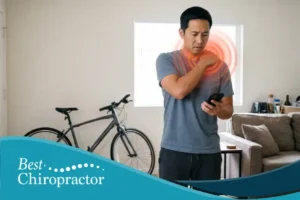

A motorcycle accident subjects the human body to extreme rotational and blunt force impact. Even in low-speed collisions, violent forces can twist the cervical spine, misaligning joint structures, compressing spinal nerves, and straining deep soft tissues. Many injured riders immediately suffer severe neck pain, lower back pain, or radiating arm sensations.
When exploring conservative and chiropractic care, evidence-based treatments for spinal rehabilitation, many riders wonder: What is spinal manipulation therapy? According to the National Center for Complementary and Integrative Health (NCCIH), spinal manipulation is a safe and widely recognized hands-on technique used by health professionals to relieve joint friction and restore normal spinal mechanics. Understanding how this care works and securing treatment from the best chiropractor in Los Angeles helps support both your physical recovery and your financial compensation claim.
What Is Spinal Manipulation Therapy?
Spinal Manipulation Therapy (SMT) is a therapeutic technique where a licensed practitioner uses their hands or a specialized device to apply a precise, controlled force to a specific spinal joint. The objective of this chiro is to restore joint motion that has become restricted due to tissue trauma, muscle guarding, or structural misalignment.
Primary goals of this manipulative therapy after an accident include:
- Alleviating nerve irritation: Decreasing mechanical pressure on spinal nerve roots.
- Restoring mobility: Unlocking fixated facet joints in the neck or back.
- Reducing muscle spasms: Resetting hyperactive neuromuscular pathways surrounding the injured joint segment.
SMT is primarily administered by licensed chiropractic doctors, osteopathic physicians, and specialized physical therapists.
How Does Spinal Manipulation Affect Spinal Joints?
Trauma from a motorcycle crash causes micro-tears in joint capsules, triggering localized inflammation and muscle guarding. When joint surfaces lose their normal gliding motion, stiffness and inflammation build up rapidly.
When a practitioner performs what is spinal manipulation therapy, several physiological responses occur simultaneously within the spinal column:
- Cavitation (Gas Release): The swift, precise movement expands the joint capsule, decreasing internal pressure and releasing nitrogen and carbon dioxide gas bubbles, producing the audible “pop.”
- Mechanoreceptor Stimulation: High-velocity thrusts activate mechanical receptors within joint capsules, overriding pain signals sent to the brain.
- Improved Synovial Fluid Circulation: Restoring movement flushes out trapped inflammatory byproducts and restores necessary nutrients to joint cartilage.
What Techniques Are Used During Spinal Manipulation?
Chiropractors and physical therapists utilize several distinct techniques based on the patient’s specific injury profile for the spinal adjustment:
- High-Velocity, Low-Amplitude (HVLA) Thrust: The classic manual adjustment involving a short, fast push directed at a restricted joint segment.
- Instrument-Assisted Manipulation: Utilizing small handheld devices (such as an Activator) to deliver controlled, spring-loaded pulses to precise spinal points.
- Flexion-Distraction: A gentle, motorized table-assisted stretching technique designed to decompress disc herniations and pinched nerves without aggressive twisting.
- Spinal Mobilization: Passive, low-velocity joint stretches applied within the patient’s natural range of motion for acute or highly sensitive injuries.
What Happens During a Spinal Manipulation Session?
Your initial treatment session begins with a comprehensive medical evaluation to ensure SMT is safe for your specific injury profile.
- Clinical Examination: Range-of-motion testing, neurological screenings, and palpation of painful muscle trigger points.
- Targeted Positioning: You are positioned comfortably on a specialized chiropractic table (face down, on your back, or on your side).
- Diagnostic Imaging Review: Examining X-rays or MRIs to rule out bone fractures, unstable ligament tears, or severe herniations.
- Controlled Adjustment: The clinician isolates the fixated joint and applies a swift, targeted manual adjustment to re-establish joint alignment.
What Does Spinal Manipulation Feel Like?
Most patients experience an immediate sensation of pressure release in the neck or back following a targeted manipulation. The famous “cracking” sound is simply gas releasing from synovial fluid inside the joint capsule, not bones grinding against each other, commonly known as the popping sound.
While SMT should not be painful when performed by a skilled professional, inflamed tissues around accident-related injuries may feel mildly tender during positioning. Communicating openly with your provider ensures treatment remains well within your comfort threshold.
What Can You Expect Immediately After Treatment?
Following your session, you may notice an instant improvement in neck rotation or lumbar flexibility. However, it is common to experience mild soreness or stiffness for 24 to 48 hours, similar to the feeling after starting a new exercise regimen.
Recommended post-care steps include:
- Hydration: Drinking plenty of water helps flush out metabolic waste.
- Light Movement: Performing gentle walking or stretching to maintain joint lubrication.
- Cold Therapy: Applying ice packs for 15–20 minutes to soothe localized tissue swelling.
Achieving complete recovery after a crash usually requires a structured treatment schedule combined with soft tissue rehabilitation rather than a single adjustment.