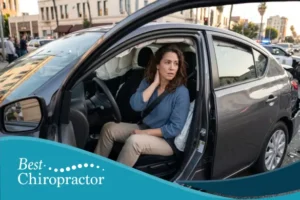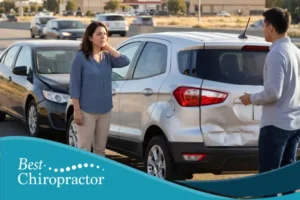
A pedestrian accident can leave the body dealing with pain, stiffness, and shock long after the scene is cleared. Even a low-speed impact can affect the spine, joints, muscles, and nerves, as pedestrians have little protection against a moving vehicle.
For many people, chiropractic care after a pedestrian accident becomes part of a broader recovery plan once urgent injuries have been evaluated by a medical provider. The goal is not only to manage discomfort but also to help the body regain safer movement.
Below are six ways chiropractic care may support recovery after a pedestrian accident.
Why Medical Evaluation Should Always Come First
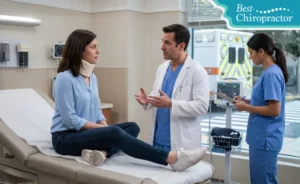
After being hit by a car, the first step should always be medical evaluation. Some injuries need emergency care, imaging, medication, or specialist attention before any hands-on treatment is considered.
This is especially important because pain can be delayed. Adrenaline may hide symptoms for hours or even days.
According to NHTSA, more than 71,000 pedestrians were injured across the United States in 2024, showing how common and serious these crashes can be.
Seek medical care right away if you notice:
- Headache or dizziness
- Neck or back pain
- Numbness or tingling
- Trouble walking
- Chest, hip, or shoulder pain
- Confusion or memory issues
- Pain that gets worse over time
Once serious injuries are ruled out, a chiropractor may help with movement-related pain, stiffness, and soft tissue strain.
1. Restore Spinal Alignment and Joint Mobility
The force of a vehicle impact can cause the body to move in unnatural ways. A pedestrian may twist, fall, or hit the pavement. These movements can affect spinal alignment and joint function and may contribute to spine injuries that require proper evaluation.
When the spine or joints do not move properly, the body may compensate. This can lead to uneven pressure on the back, hips, shoulders, or knees.
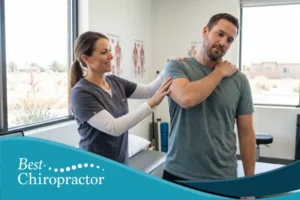
Chiropractic adjustments may help improve joint mobility and reduce mechanical stress. A chiropractor may also evaluate posture, walking pattern, and areas of restricted movement.
For someone walking near Wilshire Boulevard, Koreatown, or Downtown Los Angeles, even daily movement can feel harder after an accident when the spine and joints are irritated. Early care may help restore function before stiffness becomes a bigger issue.
2. Relieve Neck and Back Pain After Impact
Neck and back pain are common after pedestrian crashes. The body may absorb force from the vehicle, the fall, or both.
Pain may come from:
Pain Area | Possible Cause |
Neck | Sudden whipping motion, muscle strain, joint irritation |
Upper back | Impact, guarding, and poor posture after injury |
Lower back | Fall trauma, pelvic imbalance, compressed movement |
Hips | Direct impact, twisting, altered walking pattern |
Chiropractic care may help relieve pressure on irritated joints and muscles. Treatment may include gentle adjustments, stretching, soft tissue work, and corrective exercises.
For those searching for the best chiropractor in Los Angeles, location can also matter. A clinic near familiar routes like Santa Monica Boulevard, Hollywood Boulevard, or Westwood Village can make follow-up care more convenient during recovery.
3. Reduce Muscle Tension and Soft Tissue Pain
Muscles often tighten after trauma. This is the body’s way of protecting injured areas. However, prolonged tension can cause pain, limited movement, and fatigue.
Soft tissue pain may affect the neck, shoulders, lower back, hips, or legs. It may feel like soreness, tightness, burning, or deep aching.
A chiropractor may use non-invasive techniques to address soft tissue restrictions, such as:
- Manual therapy
- Guided stretching
- Mobility exercises
- Heat or cold recommendations
- Posture correction
- Home care instructions
These methods may support comfort while helping the body move with less strain. Chiropractic care after a pedestrian accident may be especially helpful when pain is linked to stiffness, joint restriction, or muscle guarding.
4. Improve Flexibility and Range of Motion
After a pedestrian accident, many people move less because they are afraid of pain. While rest may be necessary at first, too much inactivity can make stiffness worse.
Reduced range of motion can affect daily tasks such as:
- Turning the head while driving
- Walking up stairs
- Sitting at work
- Bending to pick something up
- Sleeping comfortably
- Standing for long periods
Chiropractic care may include mobility work to help restore safer movement. This may involve gentle stretching, low-force adjustments, and simple exercises that can be done at home.
The goal is steady progress, not forcing painful movement. A good treatment plan should match the patient’s condition, tolerance, and medical history.
5. Support Natural Healing Without Surgery
Not every accident-related injury requires surgery. Many soft tissue and movement-related injuries may improve with conservative care when properly evaluated.
Chiropractic care focuses on helping the body function better through non-surgical methods. For some patients, this may reduce reliance on passive rest alone.
A chiropractor may also coordinate with other providers when needed. This can include primary care doctors, physical therapists, orthopedic specialists, or imaging centers.
This matters because pedestrian accident recovery is often not one-size-fits-all. Some people need short-term care. Others may need a longer plan based on pain level, mobility limits, or prior conditions.
6. Help Prevent Long-Term Pain and Mobility Problems
Pain that is ignored can sometimes become harder to manage. Small movements after an accident may cause stress in other parts of the body.
For example, someone with hip pain may begin walking differently. Over time, that can affect the lower back, knees, or ankles.
Chiropractic care may help by identifying movement problems early. A chiropractor can track progress, adjust treatment, and provide exercises to support stability.
Long-term prevention may include:
- Posture guidance
- Core strengthening
- Walking and movement recommendations
- Stretching routines
- Ergonomic advice
- Follow-up evaluations
For patients comparing options for the best chiropractor in Los Angeles, look for a provider who clearly explains the treatment plan, carefully evaluates accident-related symptoms, and suggests referral when symptoms require care beyond chiropractic.
Take the Next Step Toward Safer Recovery
Pedestrian accidents can cause spinal stiffness, soft-tissue pain, and reduced mobility. Medical evaluation is essential, especially if the head, spine, or nerves are involved, or if pain worsens. Once serious injuries are addressed, chiropractic care after a pedestrian accident may help support movement, comfort, and long-term function through noninvasive care.
If you’re experiencing pain or stiffness after being hit by a vehicle, Best Chiropractor can help you find trusted chiropractic care to support your recovery. Book an appointment today and move toward personalized, drug-free pain management.